


Industrial agriculture has a long, dark trail of disease and death.
It started in the early 20th century, when the infamous German chemist Fritz Haber invented a process for producing synthetic nitrogen fertilizers and chemical gases in industrial quantities.
The Nazis would later weaponize Haber’s poison gases for mass murder during the Holocaust.
After World War II, the vast industrial capacity built for wartime chemical production shifted toward civilian applications. Synthetic pesticides and other agrochemicals rapidly proliferated, creating the mammoth industrial food production system.
More than a century later, the consequences of widespread pesticide use in farming are starkly visible. Long-term exposure to certain agricultural chemicals has been shown to cause severe health problems, including reproductive disorders, respiratory issues, neurological damage, and various types of cancer. Today, an estimated 385 million people suffer pesticide poisoning each year, and around 11,000 lose their lives.
But it’s not all doom and gloom.
A new way of farming, inspired by traditional indigenous practices, is gaining momentum by promising to reduce pesticide use, rebuild soil health, support more resilient ecosystems, and save our planet.
That new way is regenerative agriculture.
What is regenerative agriculture?
Regenerative agriculture is a holistic approach to farming that seeks to work with nature rather than against it. It focuses on restoring and nurturing soil health, sequestering carbon from the air (to help reverse climate change), protecting water resources and biodiversity, and producing the healthiest and purest foods possible.
Unlike conventional agriculture, which focuses on synthetic farm inputs to increase crop yields, regenerative agriculture aims to increase productivity with minimal water and other inputs, thereby building more resilient food systems for all. The goal is to produce enough healthy food for humanity without putting pressure on the planet.
In the process of looking up regenerative farming, you might have come across other concepts like permaculture, agroecology, and organic farming. All these farming approaches share the goal of producing food in ways that work with nature to protect ecosystems and ensure long-term environmental sustainability. However, they differ slightly in approach and emphasis.
- Permaculture is a design philosophy that focuses on modeling farms and landscapes after the patterns and relationships found in natural ecosystems.
- Agroecology is a broader movement that emphasizes system change, particularly in cultural values, community resilience, and social justice in food systems.
- Organic farming focuses on growing food as safely and responsibly as possible by avoiding synthetic inputs and using nature’s own bioprocesses.
Principles of regenerative farming
There are no set rules or formulas you must follow in regenerative farming. However, there are various principles you can apply to your specific operations to improve soil health and the entire ecosystem. These principles work no matter where you are, how much land you own, or even your type of soil.
They include:
Know your context
This principle affirms that no two farms are alike. What works for farmer A may not work for farmer B because their contexts are different.
You need to understand your individual situation, including your climate, geography, soil type, season length, funding availability, and goals, among other things. Also, keep in mind that context is constantly changing, so be willing to learn and adapt with time.
Don’t disturb the soil
The soil is home to critical nutrients plants need for growth, including nitrogen, phosphorus, and potassium. Mechanical soil disturbance, such as tillage, can cause the loss of these nutrients through erosion, leaching, or disorganization of the soil profile.
Regenerative farming is also known as no-till farming because farmers avoid tilling their land or limit tilling to specific circumstances.
However, tillage is not the only sin to avoid in regen ag. Other things to avoid include overgrazing and heavy application of fertilizers or pesticides.
Cover the soil
Exposure to the sun’s rays or heavy raindrops can harm the soil. Covering the soil with growing plants or crop residue creates a barrier between the weather elements and the raw soil. This is important for several reasons:
- Protects the soil from high sun exposure to maintain microbial life
- Reduces the impact of high-speed raindrops on the soil to prevent topsoil erosion
- Helps the soil retain more moisture by limiting water evaporation
- Encourages the growth of worms and microbial activity
Enhance plant diversity
In nature, you don’t find monocultures. Instead, grasses, legumes, shrubs, and trees all grow together in harmony, forming part of the larger ecosystem.
In the same way, regenerative agriculture seeks to mimic nature through practices such as companion cropping (two crops grown simultaneously and separated after harvest), cover cropping (planting crops to protect and nurture the soil rather than for harvest), and crop rotation (growing different types of crops in the same area across multiple seasons or years).
Creating plant diversity helps in pest control. Many wildlife crops are natural pest controllers, and having them on your farm can reduce your reliance on synthetic pesticides. In fact, one study shows that plant diversity reduces crop disease by 73% compared with monocropping.
Keep living roots in the soil
Having living roots in the soil keeps the underground ecosystem working. Plant roots produce carbon-rich molecules known as “exudates’ that are a rich food source for microbes. Upon extracting nutrients from the soil, microbes break down organic matter into soluble nutrients necessary for plant growth.
If the soil lacks living roots, microbes won’t have enough carbon and will feed on organic matter to survive, leading to soil degradation. Maintaining living roots in the soil increases soil organic matter, ensuring plants have enough nutrients for optimal growth.
Integrate livestock
Combining crop and livestock production can help create a circular ecosystem in which plants feed the animals, and the animals feed the plants. For example, regulated grazing of cows or sheep can introduce natural nutrients into the soil through manure or dung, thereby increasing crop production. Besides, grazing livestock helps in microbial diversity, weed control, and soil aeration — all of which are critical for a thriving farm.
Rethinking industrial agriculture: why a change is necessary
Whenever you bring out the devastating effects of industrial agriculture, most of its proponents retort that it’s a necessary evil. They will tell you how industrial agriculture has done a tremendous job of feeding the world’s 7.9 billion population while providing livelihoods for millions of farmers and agricultural workers worldwide.
In a sense, they are right. Modern agriculture has done a remarkable job at feeding the growing, hungry population. However, it is also true that modern agriculture has caused significant damage to our climate, soil, water systems, environment, and health.
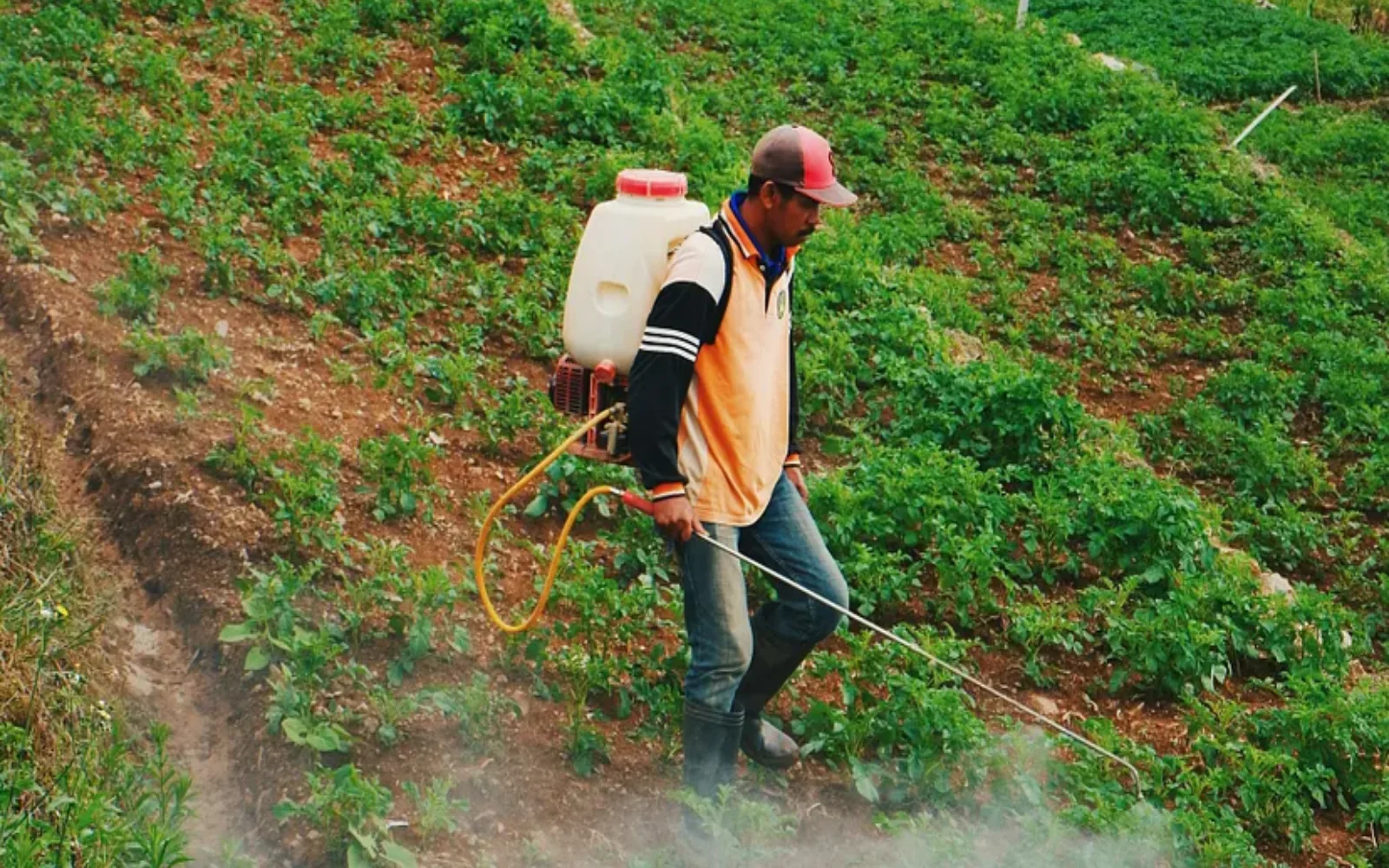
Consider, for example, that 95% of all food is grown in the uppermost layer of soil, making topsoil a critical cog in our food system. But thanks to conventional agriculture, half of the world’s topsoil has disappeared in the last 150 years, leading to lower crop yields, nutrient-deficient foods, dead zones, and erosion. As we speak, about two-thirds of the earth is going through the process of desertification, with the lives of over 250 million people already affected. If no action is taken, desertification alone will cause the displacement of up to 135 million people by 2045.
There is also the fact that conventional farming and related activities significantly contribute to climate change by emitting greenhouse gases. Indeed, one-third of all greenhouse gas emissions come from agriculture, and it’s only going to get worse as the world population grows. The emissions emanate directly from agricultural practices and other associated activities, such as the manufacture of inputs (pesticides, fertilizers, etc.), packaging, and transportation.
The overreliance on chemical pesticides in modern agriculture also leads to resistant pest populations. To combat the resistance, farmers have to use more toxic chemicals or increase their dosages, creating a never-ending cycle of dependence. Over time, the farmers spend significant income on inputs, which not only eats into their profits but also creates a cycle of debt and poverty.
And that’s not all.
The use of pesticides disrupts the balance of soil microorganisms responsible for nutrient cycling. This has a massive effect on the quality of our food. The food we eat today is not only inferior in taste compared to food grown a half-century ago, but also contains less protein, phosphorus, calcium, riboflavin, iron, vitamin C, and other essential nutrients. Worse still, pesticide residues can remain on vegetables and fruits for a long time, even after washing and peeling, rendering the food unsafe to consume.
Surely, industrial agriculture isn’t a necessary evil, as its proponents would have us believe. It’s an evil that’s choking the planet and robbing us of our future.
The benefits of regenerative agriculture for people and planet
Regenerative farming addresses the challenges of industrial agriculture by rebuilding soil health, sequestering carbon, enhancing biodiversity, and making farming more sustainable and profitable in the long term.
Mitigating climate change
Contemporary agriculture is the second-largest source of greenhouse gas emissions (after the energy sector). Thankfully, regenerative ag has the highest potential in carbon sequestration and climate change mitigation.
The soil is the planet’s most important carbon sink and can hold more carbon than the earth’s atmosphere and vegetation combined. Regenerative practices like agroforestry, cover cropping, and no-till farming increase soil organic matter, helping sequester more carbon from the atmosphere and store it in the soil.
Enhancing biodiversity
By increasing soil organic matter, regenerative agriculture enhances ecosystem performance. Healthy soils provide habitat for countless microorganisms and small soil-dwelling organisms, such as nematodes, bacteria, fungi, annelids, and springtails, that help control pests and cycle essential nutrients. The result is more productive and sustainable farming operations.
Regenerative practices also encourage planting trees, shrubs, and cover crops alongside main crops, creating habitats for pollinators and other beneficial wildlife. This thriving biodiversity not only supports ecosystem health but can also improve the nutritional quality of crops. A multi-state US study comparing regenerative and conventional farms found that crops grown under regenerative practices contained higher levels of key nutrients, including:
- 34% more vitamin K
- 15% more vitamin E
- 14% more vitamin B1
- 17% more vitamin B2
- 27% more copper
- 16% more phosphorus
- 11% more calcium
These findings suggest that regenerative agriculture could play a significant role in addressing micronutrient deficiencies affecting millions globally.
Reducing reliance on synthetic inputs
Regenerative ag boosts soil fertility, so farmers don’t have to rely on synthetic pesticides and fertilizers to increase yields. The diversity of plants and animals in these farms also helps to prevent or limit pest infestation.
What’s more? Unlike conventional farmers, who see weeds as enemies to be chemically wiped out, most regen farmers treat them as valuable parts of the ecosystem. For example, in some regen farms, weeds help to:
- Prevent erosion
- Shade the soil
- Hold moisture
- Feed soil microbes through roots
Reducing reliance on poisonous chemicals promotes a healthier food system and lowers the risk of disease among farmers, agricultural workers, and even consumers.
Conserving and improving the quality of water
Through practices such as no-tillage and cover cropping, regenerative agriculture keeps topsoil intact to minimize erosion and runoff, while maintaining soil moisture. Because of this, the soil can filter-trap pollutants during extreme weather conditions and stop them from seeping into groundwater and springs.
Limiting the use of synthetic pesticides and fertilizers also reduces the likelihood that these chemicals will be washed into water bodies. The result is good water quality for plant, animal, and human consumption.
Increasing farm productivity and profitability
According to a report by the European Alliance for Regenerative Agriculture (EARA), regenerative farms tend to be more productive and efficient than conventional farms. For starters, crops grown in regen farms are more resilient to weather extremes and climate change. During drought, for example, these crops have an 80 -90% survival rate while their counterparts in conventional farming have a 60–70%.
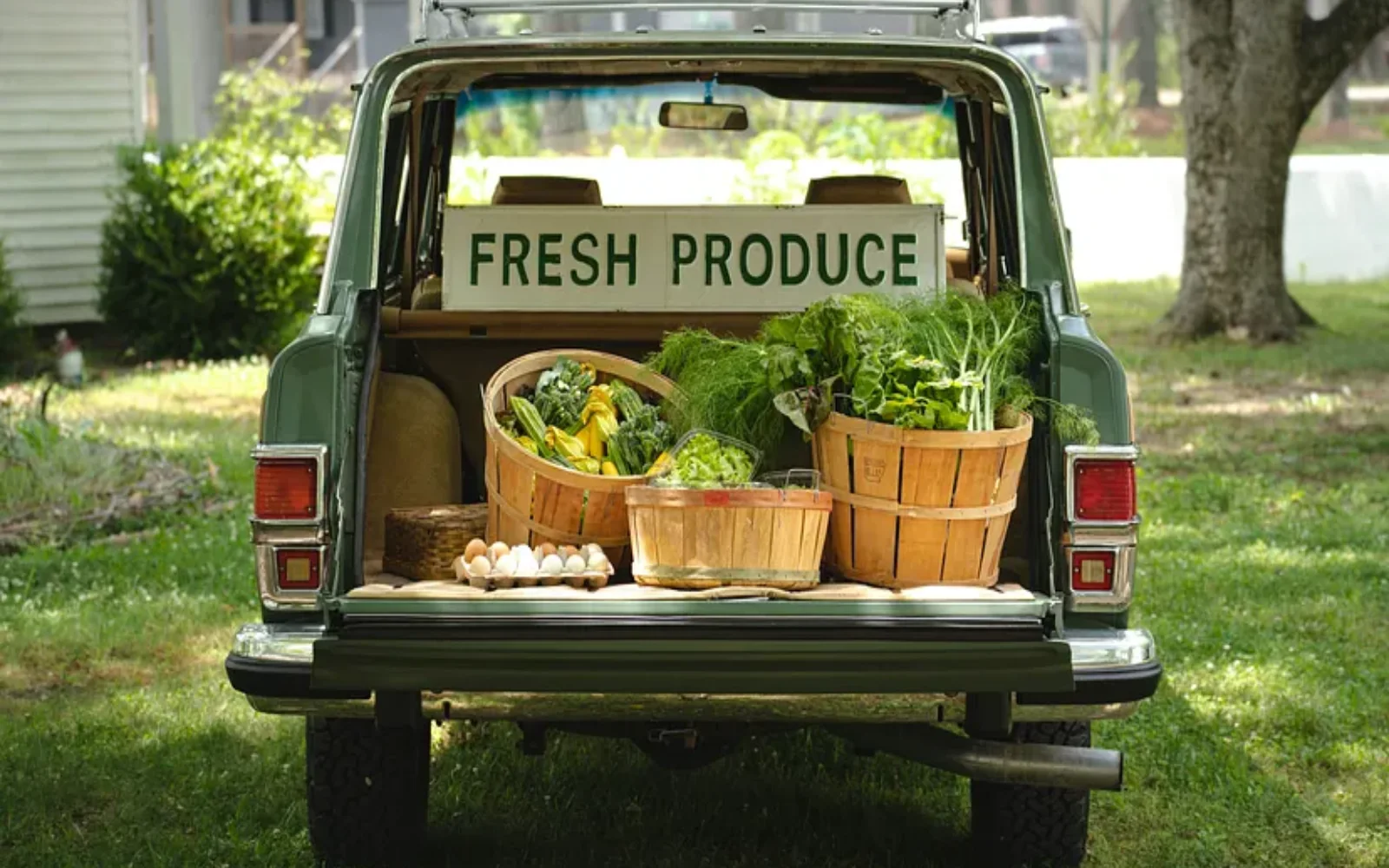
Also, thanks to higher crop resilience, regenerative farmers have more produce to take to market year-round. This coupled with lower input costs (because they don’t rely on expensive synthetic inputs) and the fact that regeneratively grown produce tends to command premium prices, means the farmers are more likely to see higher profits than conventional farmers over time. True to this, a BSG study found that regenerative farming is up to 60% more profitable than other traditional farming methods after six years.
Regenerative farming: our best bet for a sustainable food future
Modern industrial agriculture is unsustainable. Period.
If we want to protect our planet and have a sustainable future, we must embrace regenerative agriculture. It’s our best bet for addressing the challenges of climate change and food security while also creating a more resilient food and agricultural system. And with the promise of higher yields and lower input costs, we can finally put more money and dignity into the pockets of the currently maligned and dejected small-scale farmers.
That said, achieving the potential of regenerative agriculture requires everyone — from farmers to retailers, suppliers, food companies, marketers, and governments — to pull together and work towards this shift.
If you have a farm, an e-commerce store, an NGO, or a company that deals in regenerative foods or agriculture, and would like the help of an experienced sustainability copywriter to tell your story, amplify your brand, or increase your sales, I’m here to help. Get in touch now and let’s join hands towards a profitable and sustainable future.


